The North End
Four centuries old, dusted in powdered sugar
⏱ 2-4 hours👤 All ages$$
Get Tickets
Get North End Tickets
Skip the line · mobile tickets accepted at the door
The layered history rewards attention between courses: the colonial North End was Boston's first fashionable quarter (Increase and Cotton Mather's parish, Revere's silver shop economy) and its first waterfront slum, then the landing zone for successive immigrations — Irish (the Kennedys' matriarch Rose was born on Garden Court), Eastern European Jewish, Portuguese, and from the 1880s the Italian wave that stuck: by 1930 the district was 44,000 people and near-totally Italian-speaking, the paesani clustering by home village (the Sicilian fishing fleet on the waterfront, Abruzzesi on one street, Avellinesi the next) — a geography the saints' feasts still map, each festival society carrying its home-town patron. The 1950s elevated Central Artery amputated the district from downtown for half a century; the Big Dig's burial of the highway and the Greenway's parks (2008) reconnected it, gentrifying rents but leaving the social architecture — the clubs, the feast societies, the multigenerational leases — more intact than any Little Italy peer.
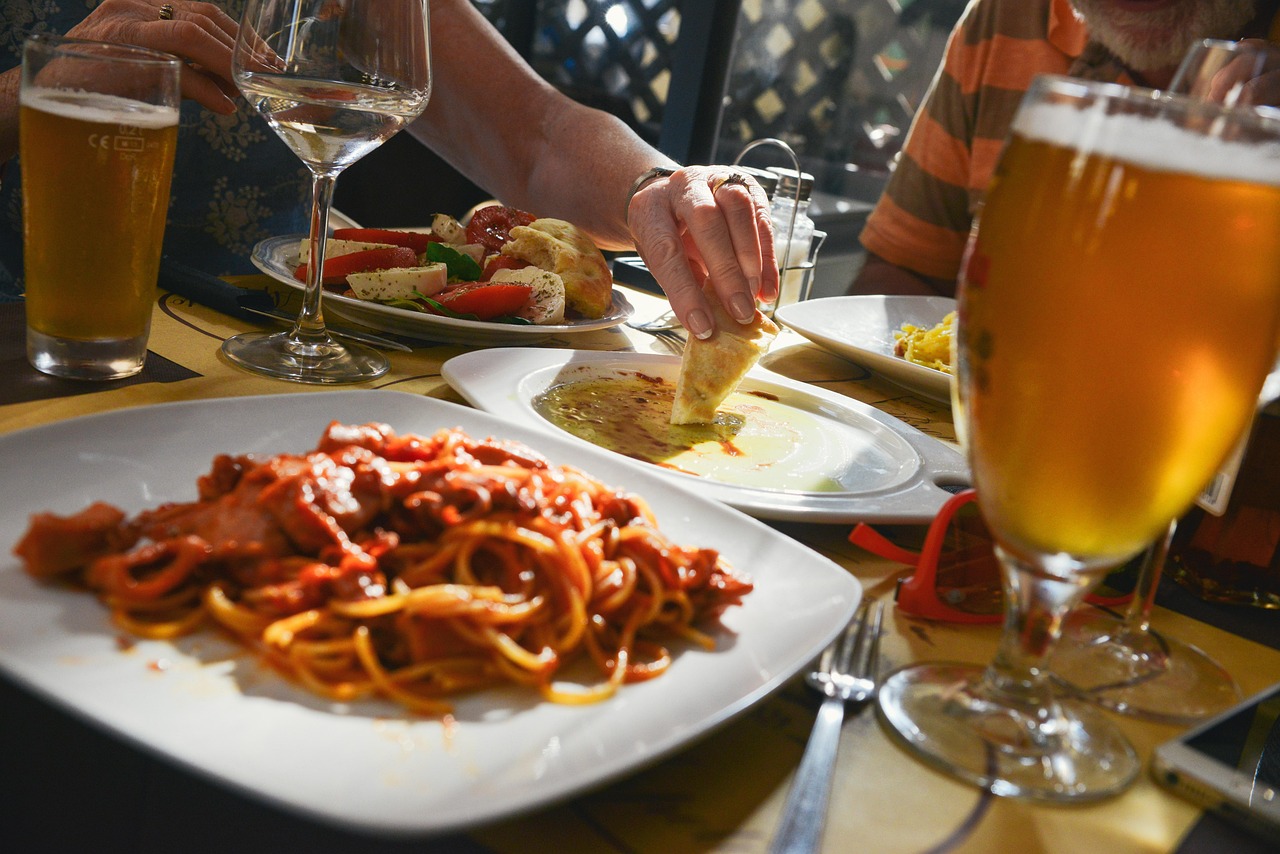
Eating it correctly: dinner reservations for the marquee rooms (the handmade-pasta tier books out weekends; the red-sauce institutions hold walk-in bar seats), lunch as the value window, espresso standing at the bars between, and the pastry protocol — join the longer line or the shorter one, order the ricotta cannoli filled-to-order, and argue your verdict on the Greenway benches. The feast calendar (late June through August, Saint Anthony's in late August the crescendo) is worth planning around: processions, bands, and street-stall sausage-and-zeppole at full Brooklyn-grade intensity.
Practicals and fit: wedged between the Greenway and the harbor, Haymarket station (Green/Orange) at the gate, no parking worth attempting (walk or T, always), flat-ish but cobbled; the Trail stops (Revere House, Old North, Copp's Hill) interleave naturally. Fit: foodie trips wholesale (this is Boston's eating quarter), Trail walkers at lunch and dinner bookends, couples on the passeggiata-and-pastry evening, and families at the feasts — the North End is the rare history district where the past is best absorbed at the table.
What to Expect
Format
A third of a square mile of Italian Boston — Hanover Street's restaurant spine, espresso bars, the dueling pastry houses — with three Freedom Trail stops threaded through the lanes.
Best Time
Dinner reservations booked ahead; lunch as the value window; late June-August for the saints' feasts (Saint Anthony's in late August is the giant).
Duration
A half day, happily repeated.
Tips
Book the marquee pasta room when you book flights. Espresso is drunk standing. Adjudicate both cannoli houses — ricotta, filled to order — and defend your verdict on the Greenway.
⚡ Quick Picks
Best For
Food-first trips — Boston's eating quarter, with the Revolution between courses.
Families
Feast-season evenings and pastry counters; the Trail stops keep the history quota.
Couples
The passeggiata script: early pasta seating, Hanover stroll, cannoli, harbor air.
Pair With
Paul Revere House and Old North mid-walk; the Greenway's carousel for the kids after.
Time Needed
Lunch and dinner bookends, minimum.
Ready to book North End?
Get Tickets →Frequently Asked Questions
Which cannoli house wins?
That is a decision between you and your conscience — both face off near Hanover and Prince, both fill to order if you ask, and the argument is the attraction. Order ricotta, judge the shell.
Do we need reservations?
For the marquee handmade-pasta rooms on weekends, absolutely — book ahead. Red-sauce institutions hold bar seats, and lunch walks in nearly everywhere.
What are the feasts?
The saints' festivals of late June through August — processions, brass bands, street stalls — run by the old home-village societies, with Saint Anthony's in late August the biggest in New England.
How does the Freedom Trail fit?
Straight through — Revere's house on North Square, Old North up Salem Street, Copp's Hill above — which is why the correct Trail walk schedules lunch here.
Can we drive and park?
No — the lanes predate carriages, never mind cars. Haymarket station is at the gate; walk or T, always.
More Boston Attractions
Browse all →
Paul Revere House
Downtown Boston's oldest house and the midnight rider's actual home — the 1680 North End dwelling where Revere lived the Revolution, restored with family furnishings, a courtyard with his own church bell, and a 30-minute visit that anchors the Trail.
Old North Church
One if by land, two if by sea — Boston's oldest church, where two lanterns in the steeple launched the Revolution. Box pews from 1723, the crypt and bell-ringing chamber on behind-the-scenes tours, and the Trail's most famous steeple.

Faneuil Hall & Quincy Market
The "Cradle of Liberty," a public meeting hall and marketplace since 1742, beside the bustling Quincy Market food hall — a Freedom Trail landmark that's also the city's liveliest spot to eat and browse.